
hypercar into a canvas
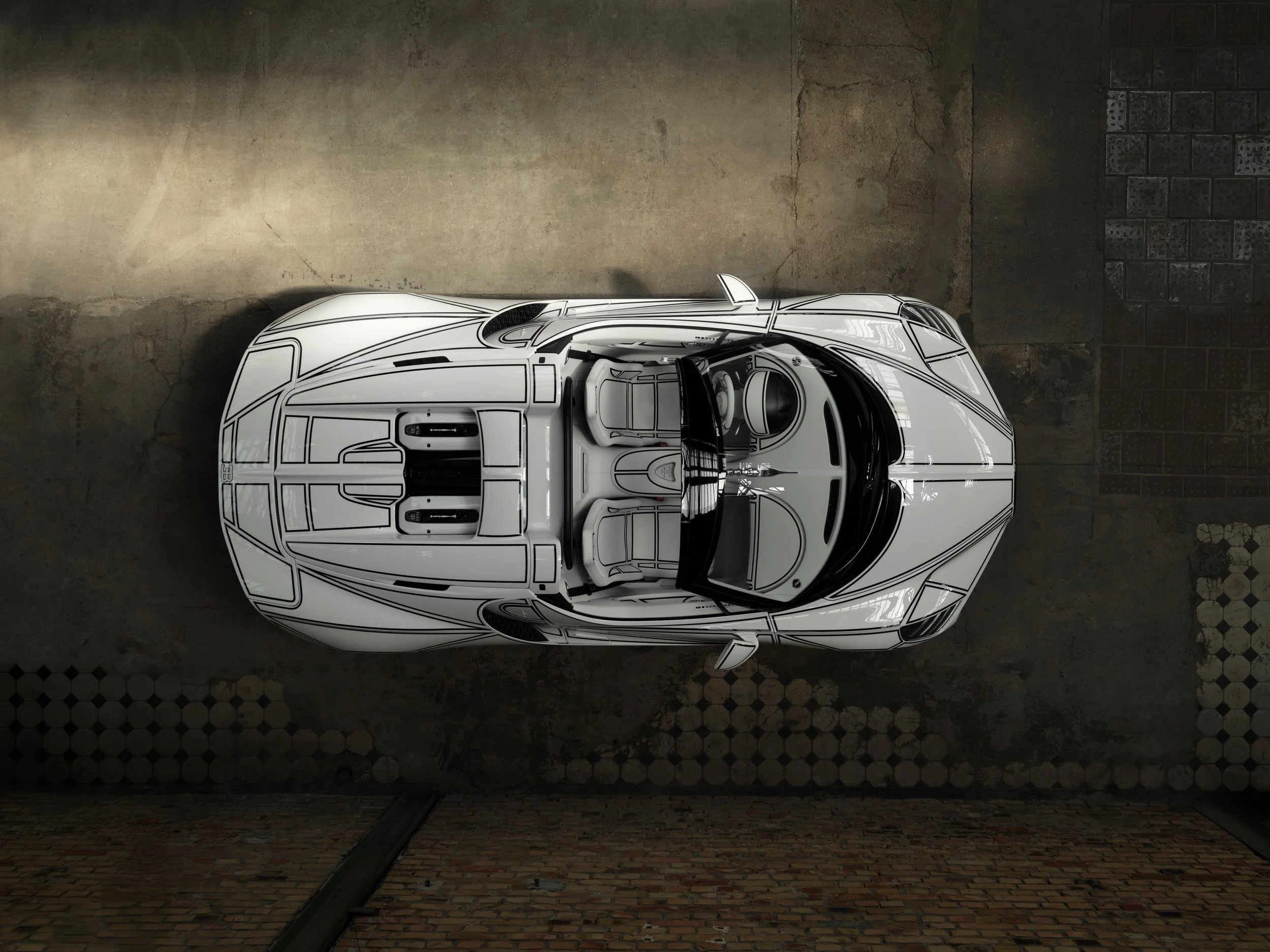
There are cars built to break records, and there are cars built to dominate race tracks. And then... some cars exist for a completely different reason. Not to be measured, not to be compared, simply to be admired.
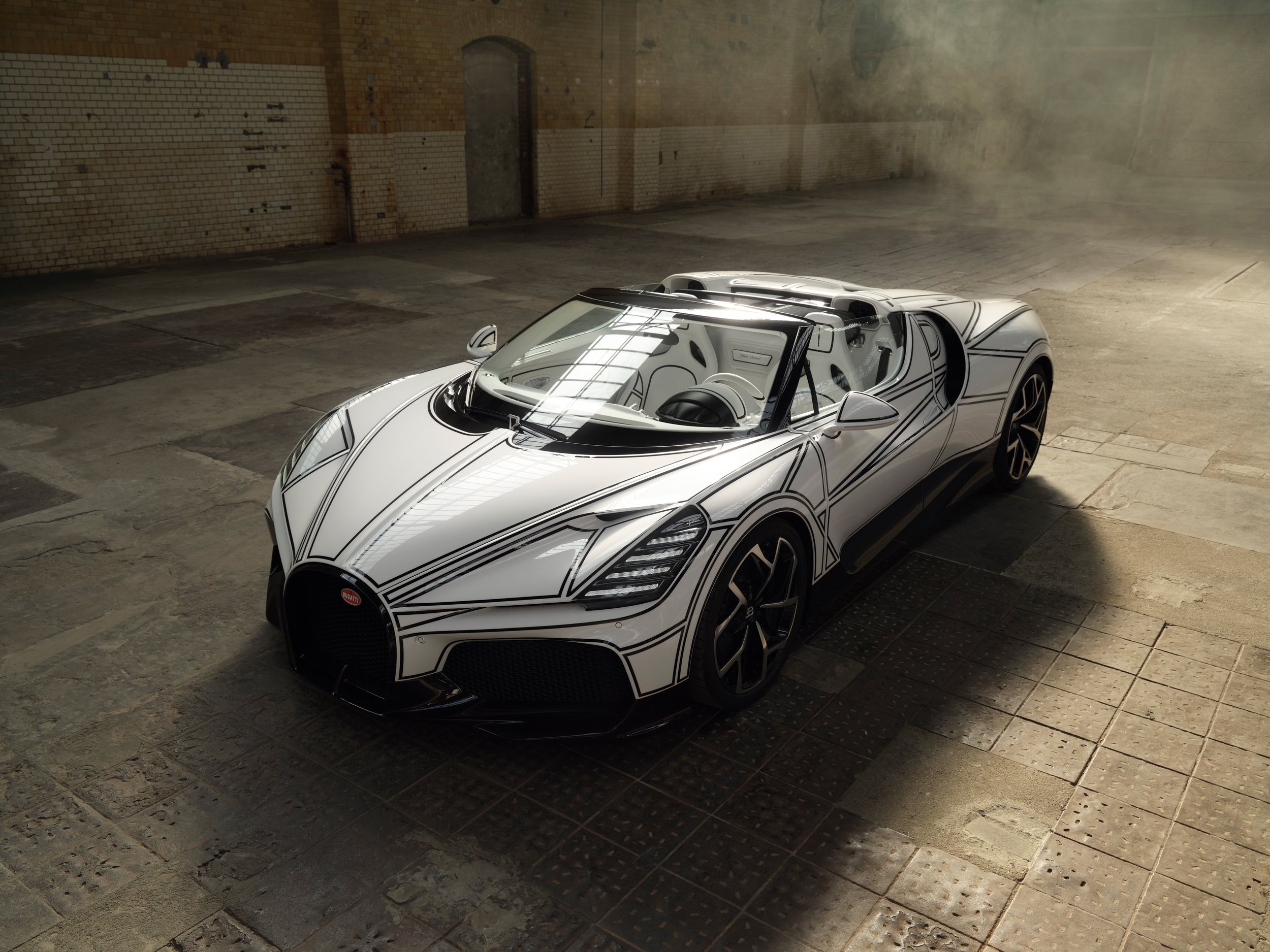
The Bugatti W16 Mistral "Blanc Éternel" belongs to that last category. At first glance, it's easy to dismiss it as another special edition. A different paint scheme, a unique interior & another one-off destined for a climate-controlled collection somewhere in the world. But that couldn't be further from the truth. Because "Blanc Éternel" isn't about changing the W16 Mistral, it's about revealing it.
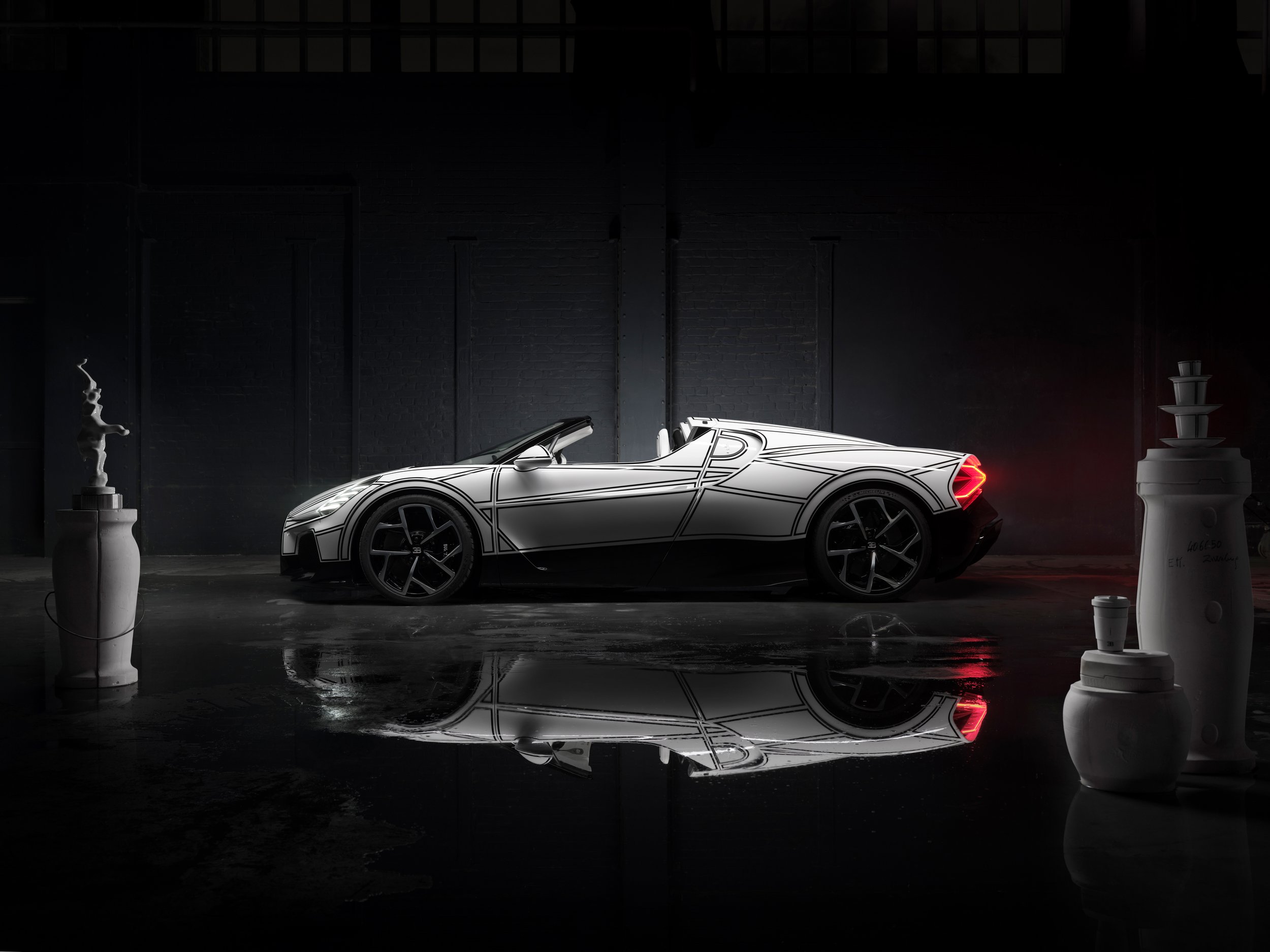
To understand this car, you have to go back fifteen years, back to the Veyron Grand Sport L'Or Blanc, a collaboration between Bugatti and Königliche Porzellan-Manufaktur Berlin—one of Germany's oldest porcelain manufacturers. It wasn't simply a partnership between two luxury brands. It was the meeting point of two crafts separated by centuries, yet driven by the exact same obsession perfection.
Today, that story returns, not as a sequel, as its final chapter. The W16 Mistral represents the closing pages of Bugatti's legendary sixteen-cylinder era, and "Blanc Éternel" doesn't celebrate it with louder colors or more carbon fiber. Instead, it celebrates something far more beautiful, the process itself. Every black line stretching across the brilliant white body isn't decorative. It traces the invisible digital surfaces that engineers and designers use while sculpting a Bugatti. The mathematical foundations normally hidden beneath the skin are brought into the light, transforming engineering into artwork; it's almost poetic.
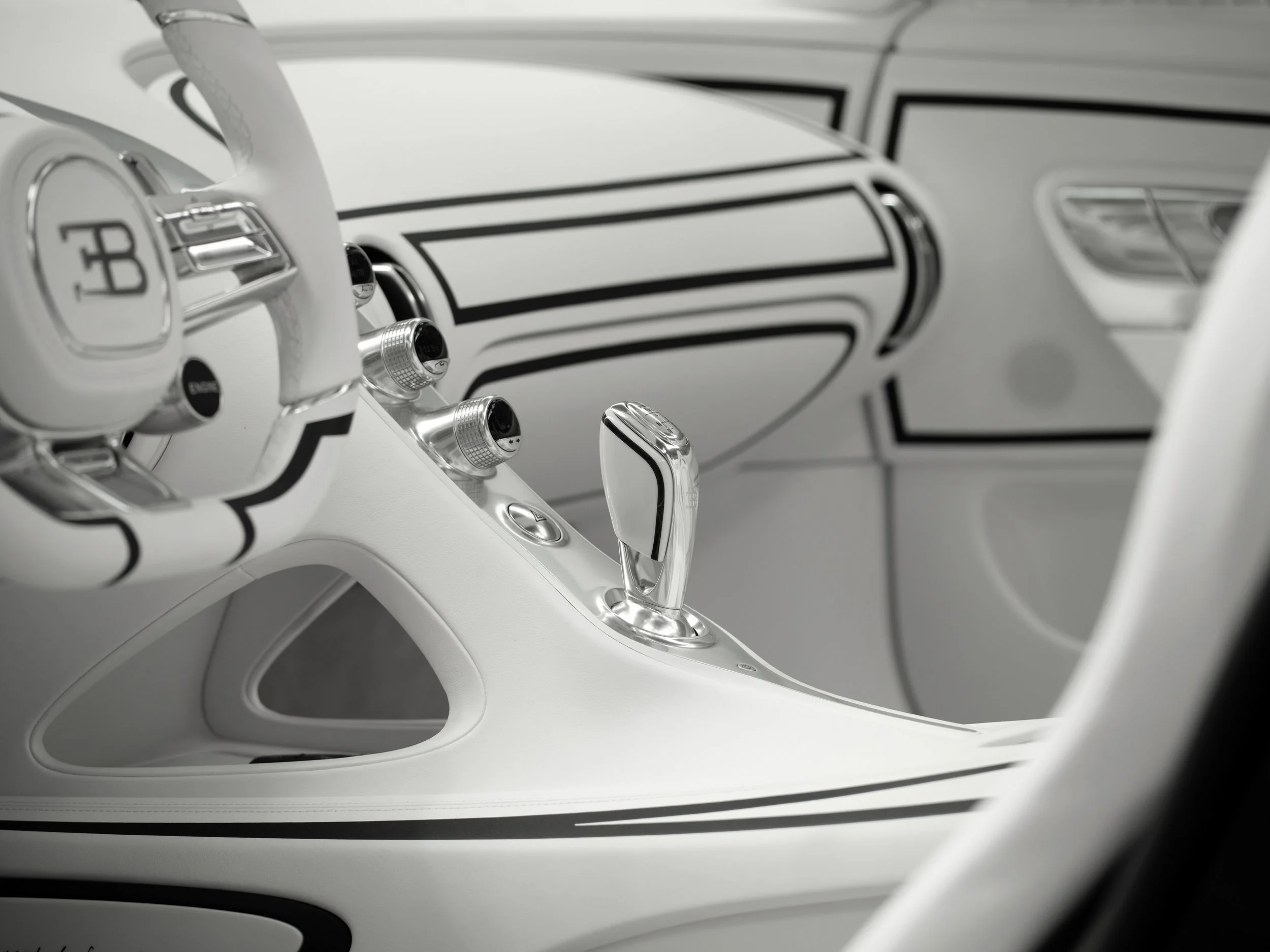
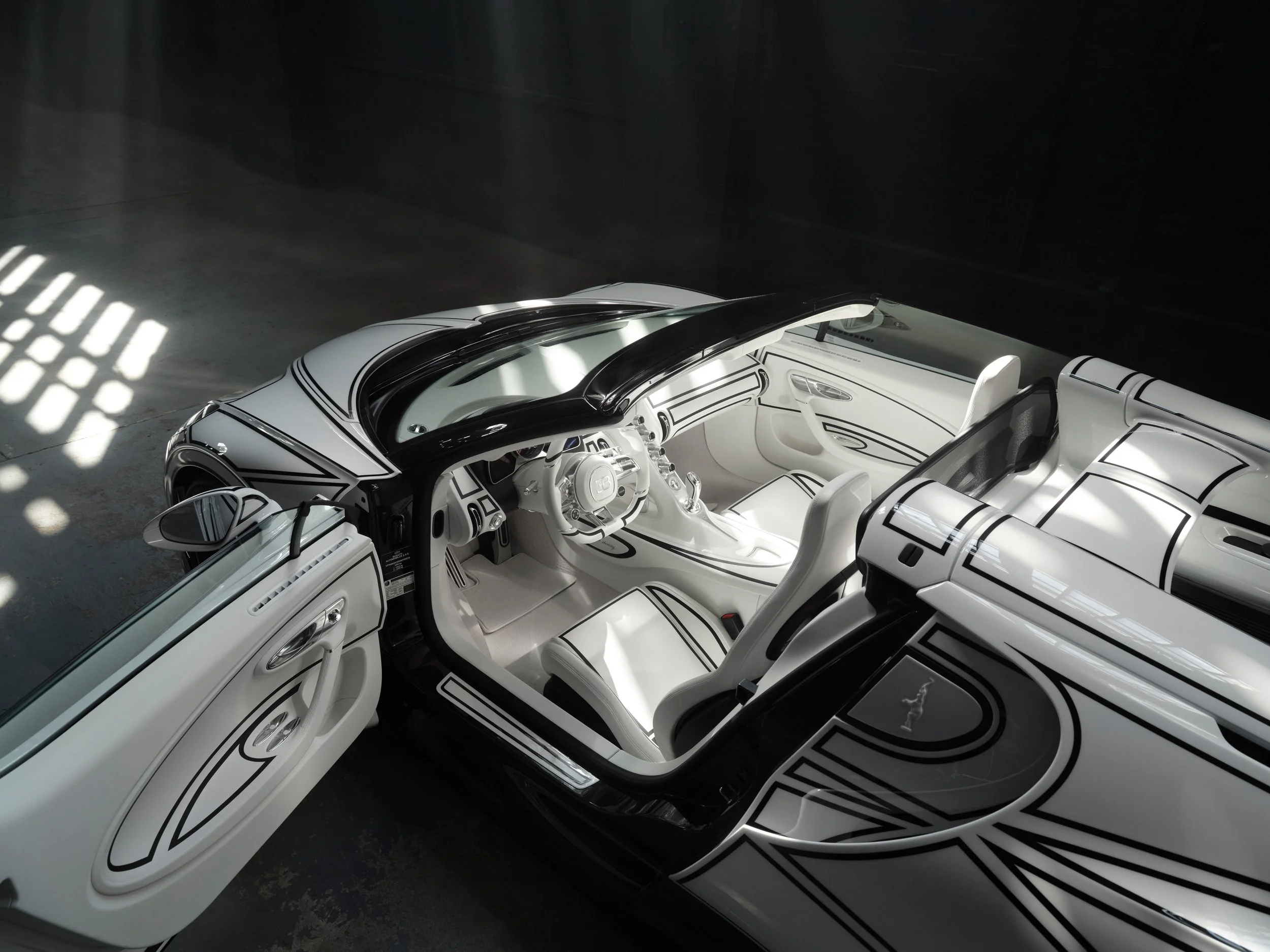
A machine famous for hiding complexity now chooses to display it, yet despite its digital inspiration, nothing about its execution is artificial. Every line was masked by hand. Every surface prepared by craftsmen. Every transition carefully painted by people whose patience rivals the precision of the software that first imagined it. Technology may have designed the pattern. Human hands gave it a soul. And then comes the porcelain, not locked away behind glass, not treated like fragile decoration. Instead, it becomes something you actually touch.
The gear selector. The window switches. The armrest. Even the familiar EB badge. Each piece carries the legacy of centuries-old craftsmanship into one of the most technologically advanced automobiles ever created. That's what makes this car remarkable. Bugatti didn't use porcelain because it was expensive. They used it because it meant something. After all, luxury isn't measured by rarity alone; it's measured by intention.
Perhaps that's the greatest lesson hidden within the Blanc Éternel. In an era when the automotive world seems obsessed with screens, software updates, and numbers that keep growing every year, Bugatti chose to remind us that true beauty still begins with a craftsman's hands. And maybe that's exactly how the W16 deserved to say goodbye. Not with another speed record. Not with another horsepower figure. But with a masterpiece that quietly tells the world...
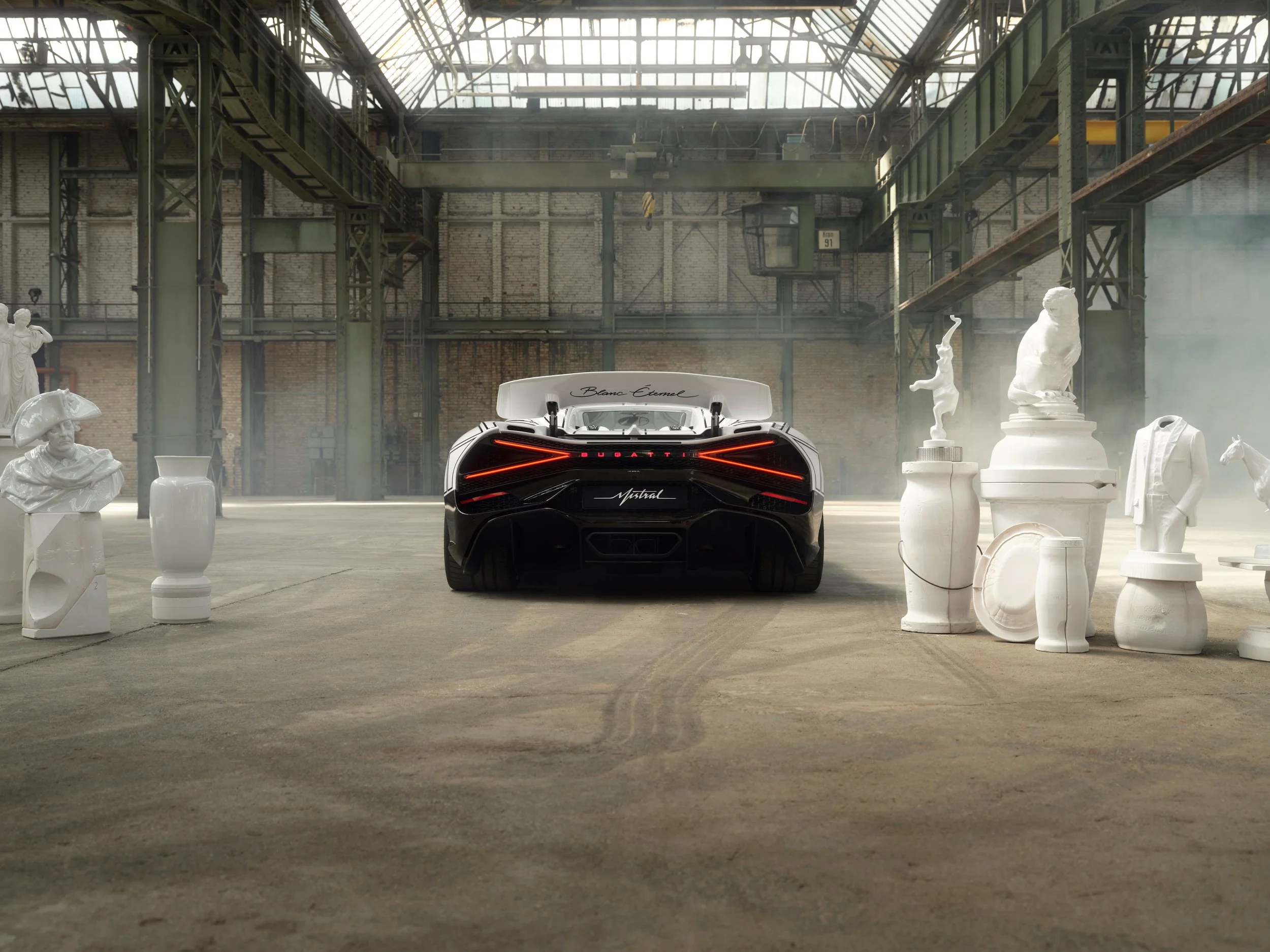
Some cars try to change history.
But the greatest ones become a timeless work of art.
